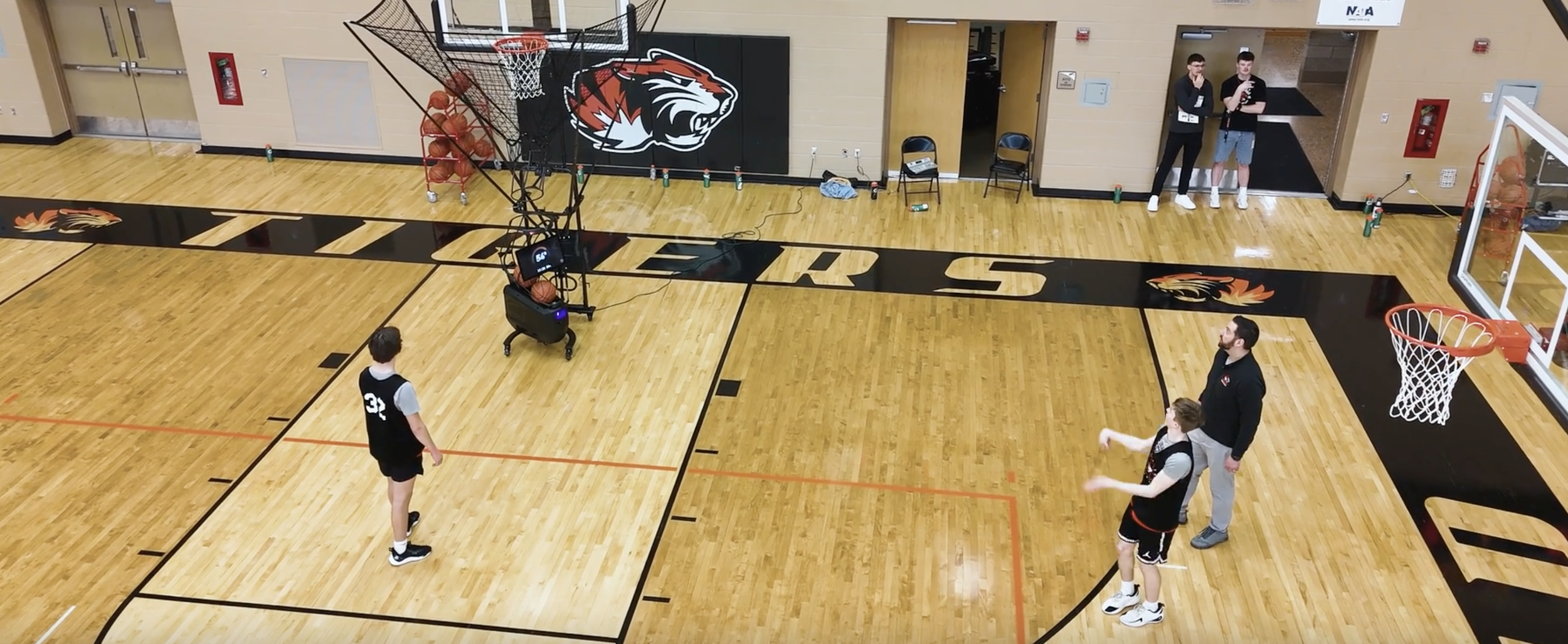
Testers getting up shots on a beta machine & software that was stationed at their school for a number of months for testing.
Building a Beta program that de-risks launches
Problem: We were shipping into the real world without testing in the real world
What I focused on: Creating a lightweight, high-impact way to validate software and hardware before launch
What changed: Built a field-tested beta program that cut bugs in half and stopped a bad launch
My role: Beta strategy, program design, operations, cross-functional execution
PROBLEM
We weren’t testing our software and hardware in real environments. Internally, we checked specs and ran regression tests, but all of it happened in a bubble. After several hot-fix-worthy releases and a failed alpha test of a new product, it became clear that internal testing wasn’t enough.
This ran the risk of affecting our reliability reputation and wasting resources creating features that wouldn’t work in the real world. It created rework, wasted effort, and a constant cycle of fires after releases.
If we didn’t fix this, we could be burning time and credibility shipping problems we could have caught earlier. Worse, we were missing a huge opportunity to learn from real users before it was too late.
DEFINE
We needed to decide what kind of beta program we were building. How strict should it be? Do we require NDAs? What’s the ask of testers? What do we do if feedback is negative? And are we truly willing to pause a launch if the product isn’t ready?
Because we were starting from almost nothing, I pushed for a lightweight approach. I recruited beta testers from our existing customers, gave them access to builds, and created a simple in-app feedback form using our existing support infrastructure. The goal was to start small, learn fast, and lower the barrier to participation.
We intentionally did not add heavy process or legal friction. No NDAs. No complex onboarding. The best outcome of beta is usage, so we focused on creating space, time, and easy paths for people to try new things and tell us what broke.
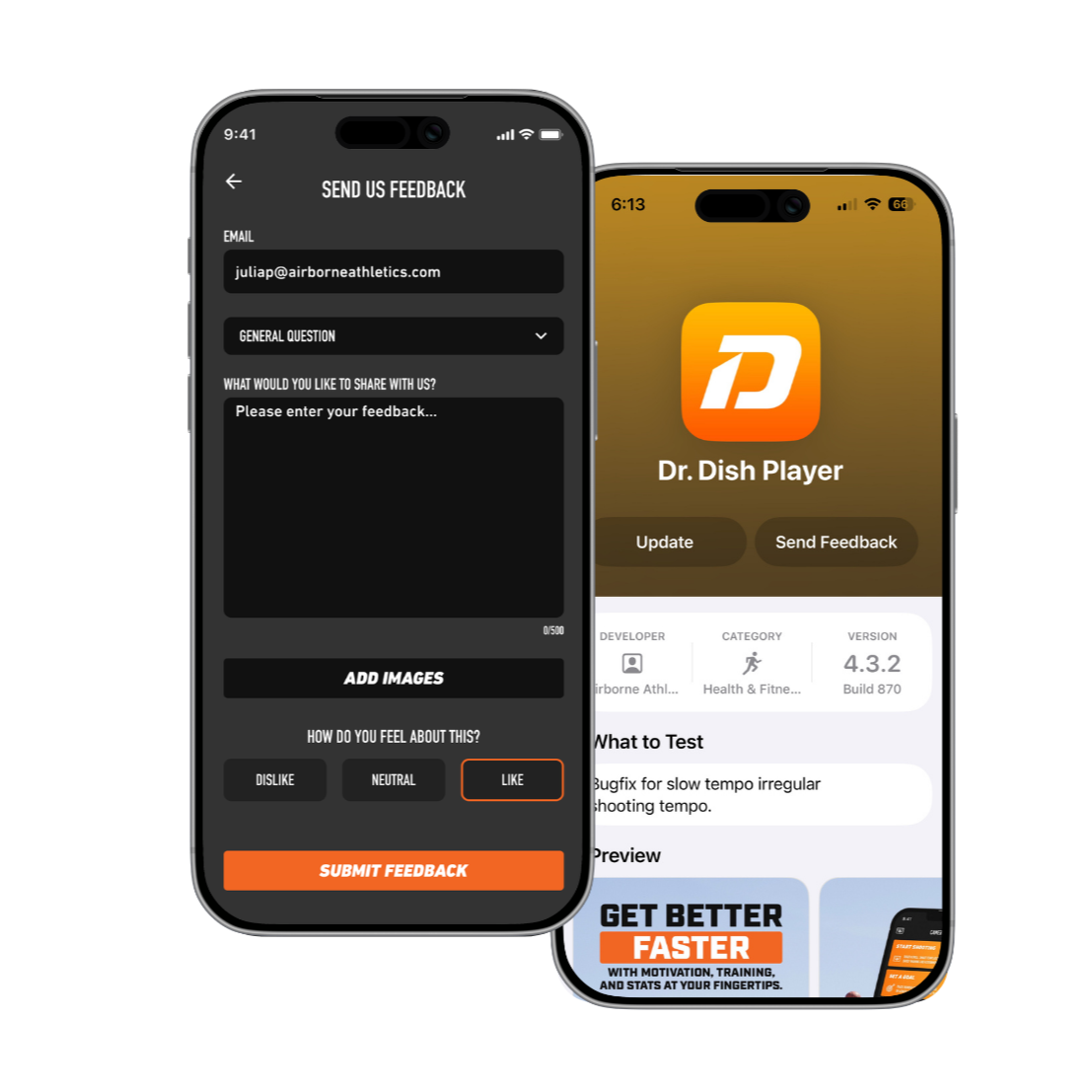
Example of the feedback form in app and beta listing in Testflight
SOLUTION
I eventually built a beta program with 500 software testers, a repeatable beta release process, clear communications, and streamlined feedback collection. We also created structured beta workflows for each new hardware launch.
I personally recruited all software testers. For hardware, I hand-delivered machines to build trust and provide context, checked in frequently, and gathered feedback directly from the field. I also created a reporting cadence to synthesize findings and share them with product, engineering, and leadership to catch issues early & often.
The main tradeoff was time. We spent more time testing before launch, but that time paid for itself many times over by catching critical issues early. The program also effectively expanded our testing surface from one internal tester to hundreds of real-world users, without slowing the team down.
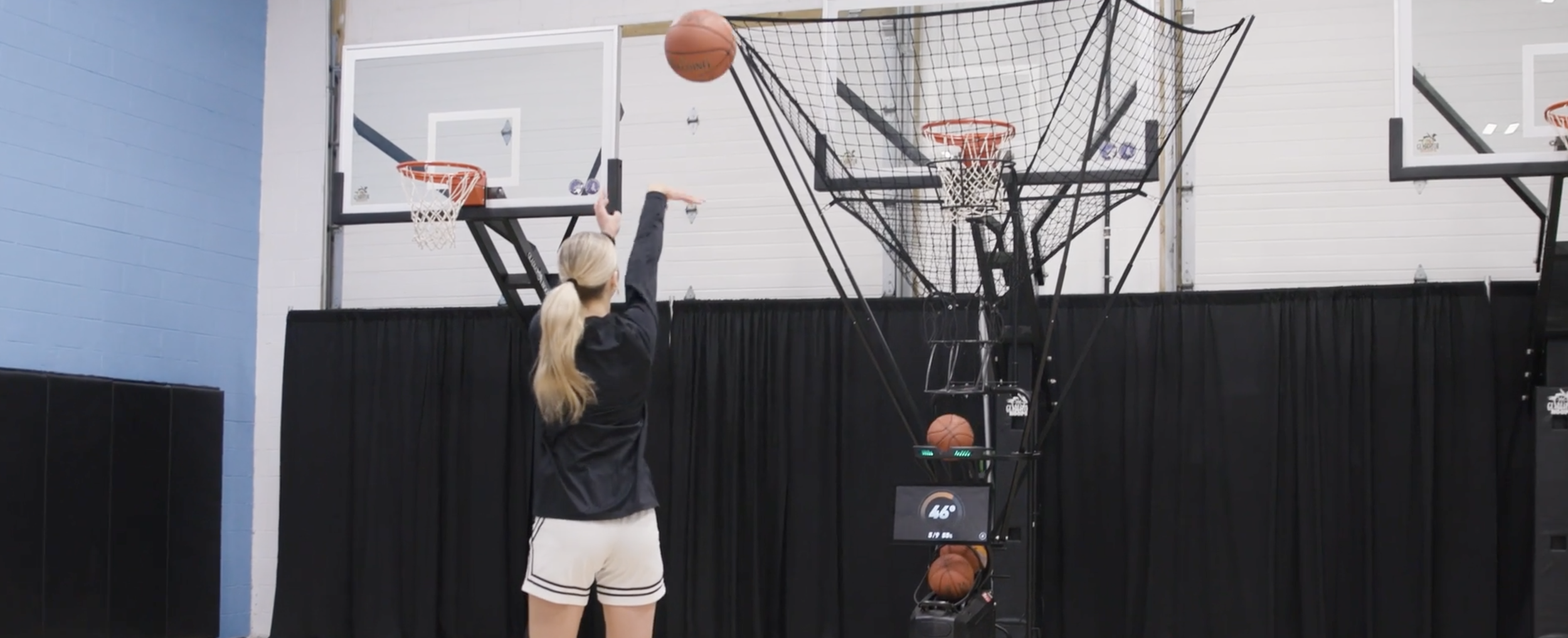
Tester getting up reps on a beta machine that was left at this facility over the course of a couple months. This particular machine got up to ~20,000 shots during testing.
RESULTS
Software bugs reported to service immediately after releases dropped by almost half
We halted the launch of a new product that didn’t meet real-world standards
We significantly reduced release risk and post-launch fire drills
For the business, this increased confidence and protected our credibility. For users, it meant more stable products and fewer support issues. Internally, it freed up time to focus on real product development instead of emergency fixes and raised the bar for what “ready to release” meant.

Example of Beta sticker I designed to place on machine and acquire feedback from players in the moment via QR code.
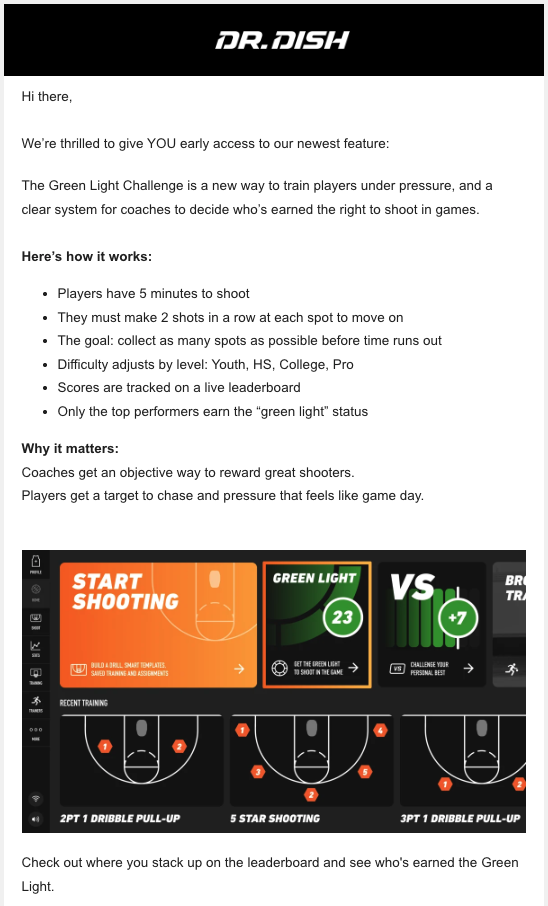
Email sent to Beta testers encouraging engagment.
MY ROLE
I owned the beta program end-to-end, including:
Recruiting testers
Managing access and permissions
Delivering physical machines
Creating beta materials and guidance
Collecting feedback
Distributing insights to product, service, engineering, and leadership
Managing ongoing customer communication
For software, I decided when we needed more testers and how we communicated releases. For hardware, I set the beta timelines, defined the ask of testers, coordinated on-site visits, and led feedback collection.
I worked closely with software and mechanical engineers to make sure testing answered the questions they needed to feel confident shipping, and to turn feedback into actionable decisions.
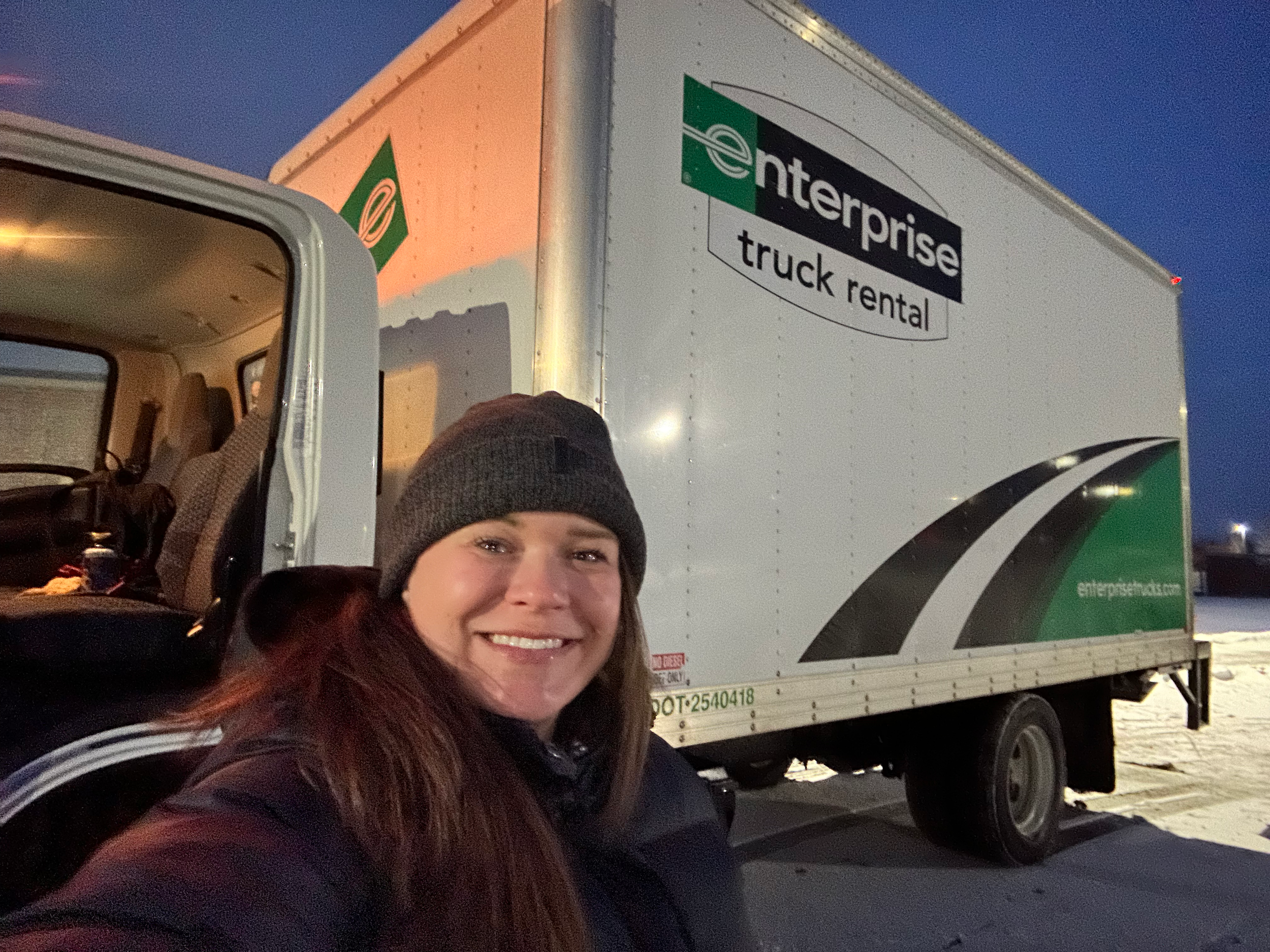
Personally dropping off beta machines at testing locations.
WHY I’M SHOWING THIS WORK
This project shows how I build clarity and momentum when there isn’t an existing playbook. I defined the right level of rigor, adjusted when things didn’t work, and turned a vague goal (“we should do beta testing”) into a system the company relies on.
It highlights that I:
Thrive in ambiguity and build structure where none exists
Partner closely with engineering to turn feedback into better decisions
Design processes that balance speed with quality
Advocate for both the business and the customer
Turn real-world insight into safer, stronger launches
Details have been intentionally generalized or modified to respect confidentiality and intellectual property agreements. This case study focuses on my role, process, and decision-making rather than proprietary implementation details.