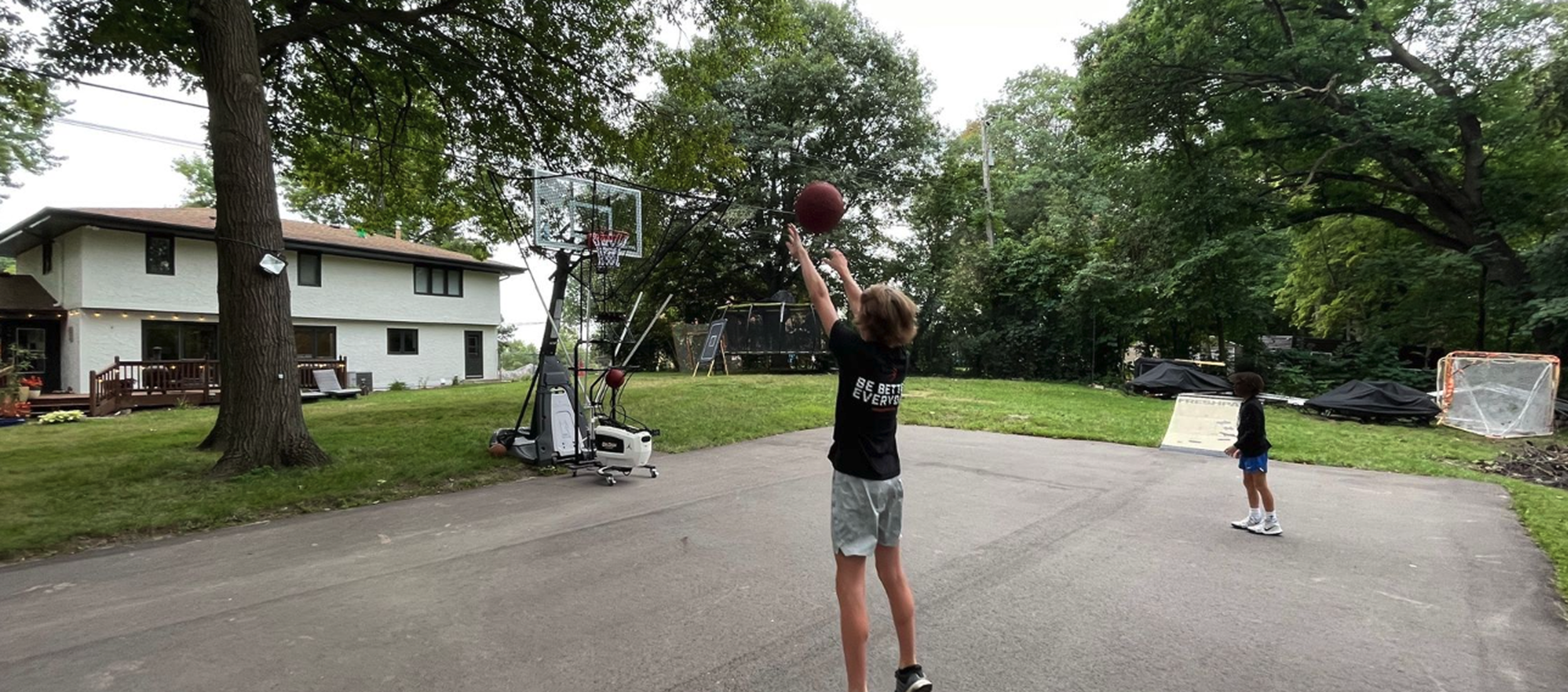
Observing users in their environment to create features that stick
Problem: We didn’t understand what practice looked like for players using our product at home, making it difficult to prioritize the roadmap or market the product effectively.
What I focused on: Getting direct visibility into real at-home usage through contextual field research, then translating those behaviors into clear product opportunities.
What changed: Replaced assumptions with real user behavior, leading to two high-impact features that became core to the home experience and key drivers of engagement and messaging.
My role: Led the work end-to-end, from designing and conducting in-home research to defining, validating, and launching features in partnership with design, engineering, sales, and marketing.
PROBLEM
As we planned our roadmap more strategically, we uncovered a major blind spot: we didn’t actually know what product use looked like at home. That made it difficult to prioritize features and market the product clearly to families considering a purchase.
We didn’t know: What did a practice session look like? Were parents or siblings involved? Could players set up the machine themselves? Were they following routines or improvising? What did their environments look like? Without these answers, we risked building irrelevant features and messaging that didn’t resonate.
Without deeper exploration, we would continue spending valuable R&D time and money on ideas that sounded good internally but failed to impact real users.
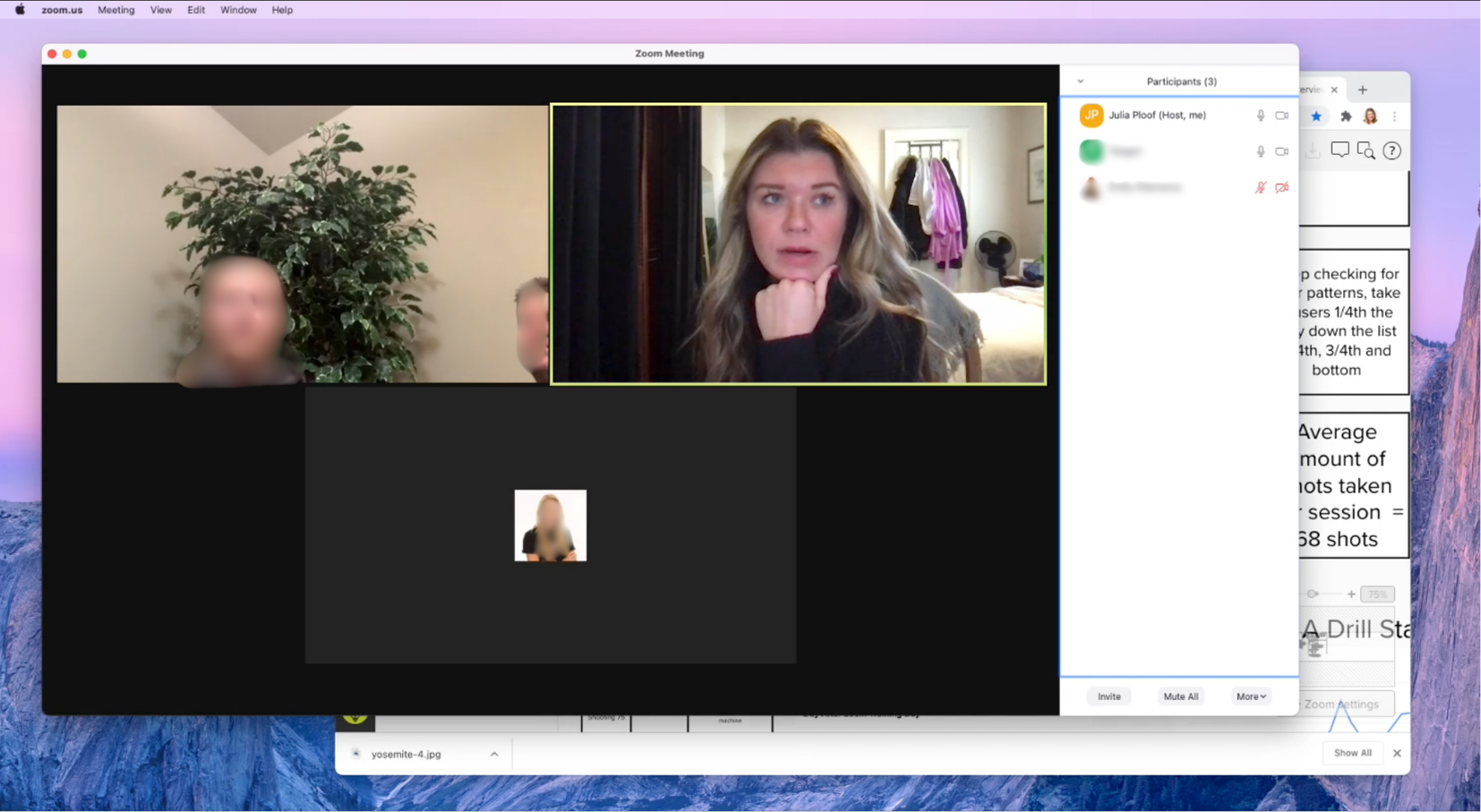
We had conducted many interviews with players and parents, but it was difficult to truly understand their setup and the context in which they practiced without seeing it firsthand.
DISCOVER
To choose the right direction, we first needed to understand real behavior end-to-end. From taking the machine out of storage to setting it up, running a session, and packing it away, friction could happen at any point. We also needed to understand usage patterns: short vs long sessions, solo vs group practice, driveway vs court setups, power constraints, and how much structure players already had.
I conducted contextual inquiries in multiple homes, observing families as they set up the machine and practiced naturally. Key themes included:
Transportation and setup friction
Session length and intent
Player-led vs parent, coach, or trainer-led routines
Parental influence on motivation and consistency
Goal setting
Competition among family members and teammates
What surprised me most was how self-directed these players were. I assumed younger players (10–14) would struggle to practice independently, but families who invested in a shooting machine typically had highly motivated players who could set up the machine themselves and were serious about improving.
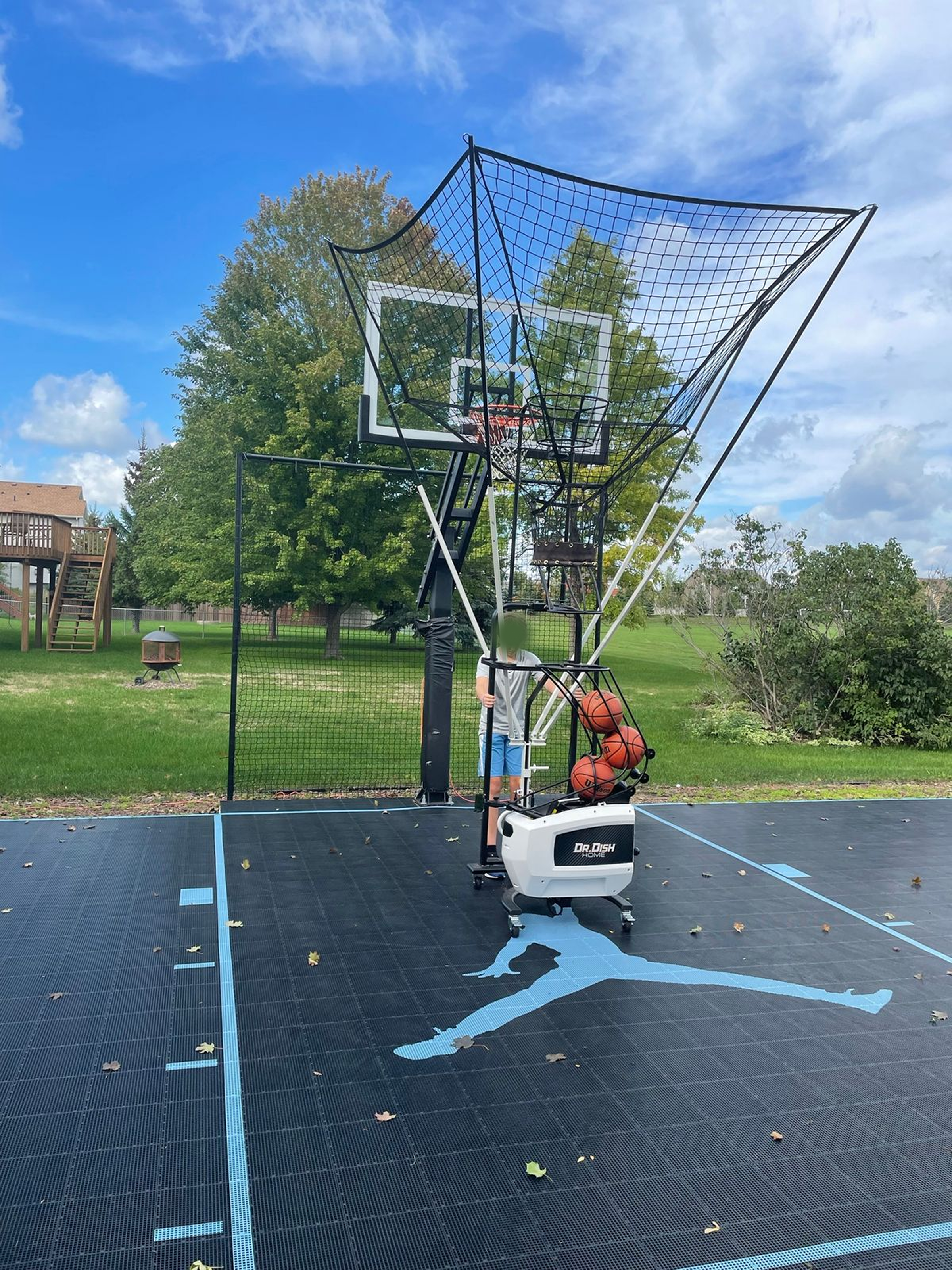
One participant setting up the machine in their backyard.
DEFINE
We needed to identify which features would best support how players were already training at home. With so many environments and use cases, narrowing the focus was the biggest challenge.
I recorded, transcribed, and tagged every session, then synthesized the findings into clear opportunity areas. We focused on two features that helped players do what they were already doing, just more easily and consistently.
Both concepts were validated through usability testing. We cut low-value functionality, made key flows more flexible for different home setups, and prioritized software improvements first since they were faster and lower risk, while documenting hardware insights for future changes.
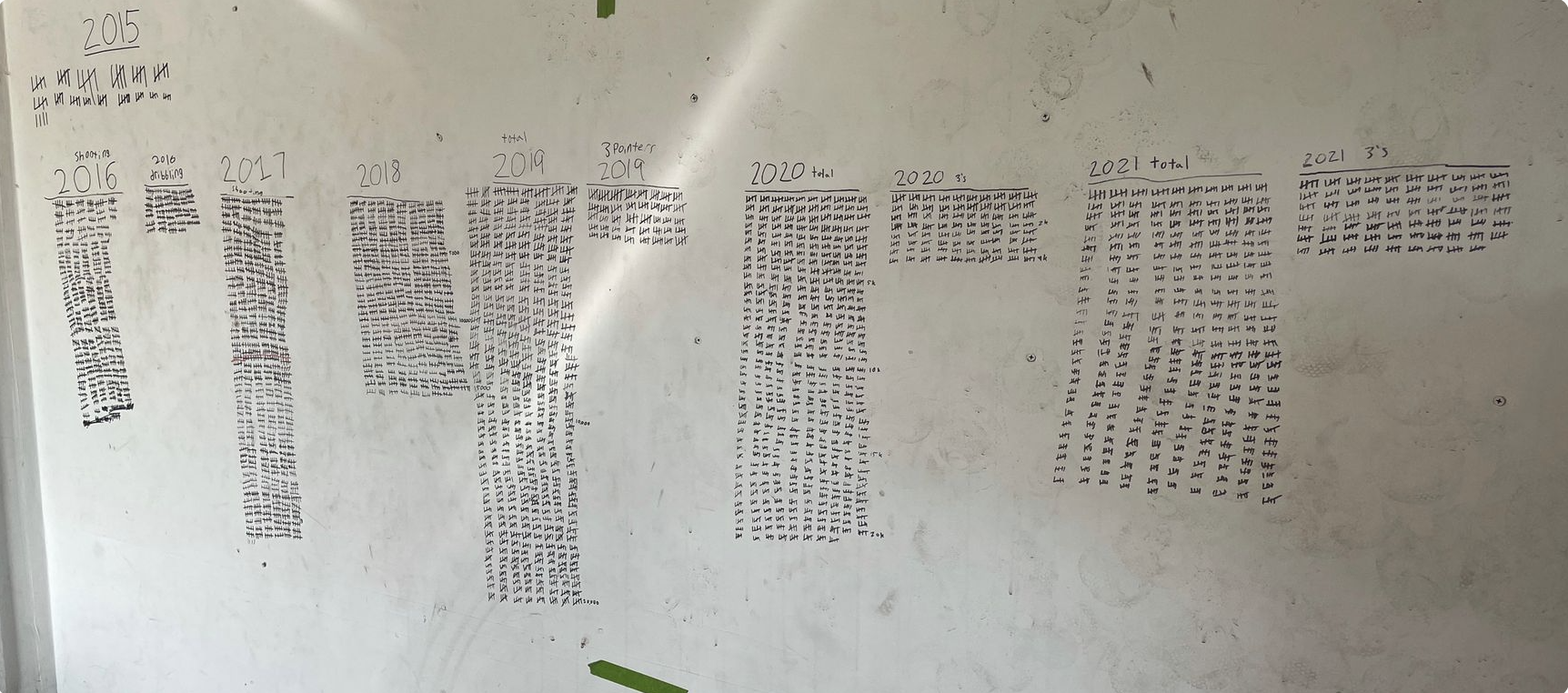
How one young player tracked all their made shots over the years by tallying on their garage wall.
SOLUTION
Goal Setting
Players could enter shooting goals in the app and have all shots, makes, and time practiced automatically logged toward short and long-term goals. Many players were already tracking this on paper or on their walls. We made it effortless and added motivational reminders to help them stay consistent.
Multiplayer Mode
We added a way for multiple people to practice together and track scores separately. This created built-in competition among family members and teammates and made sessions more competitive and engaging.
With a small dev team, we kept both features tightly scoped. We started simple, then layered in additions like notifications, guest shooters, and winners after seeing strong adoption. The goal was to get these features into the wild quickly, learn from real usage, and invest further only once they proved their value.
RESULTS
These two features became cornerstones of the home product experience
Multiplayer sessions consistently represented a meaningful slice of overall usage
Thousands of players set goals in the app
Both features became central to sales talk-tracks and marketing messaging
For users, this made the product feel like a true training partner, not just a machine. Families could see progress, maximize usage, and make training more fun and motivating. For the business, these features became clear differentiators, strengthening the product’s value.
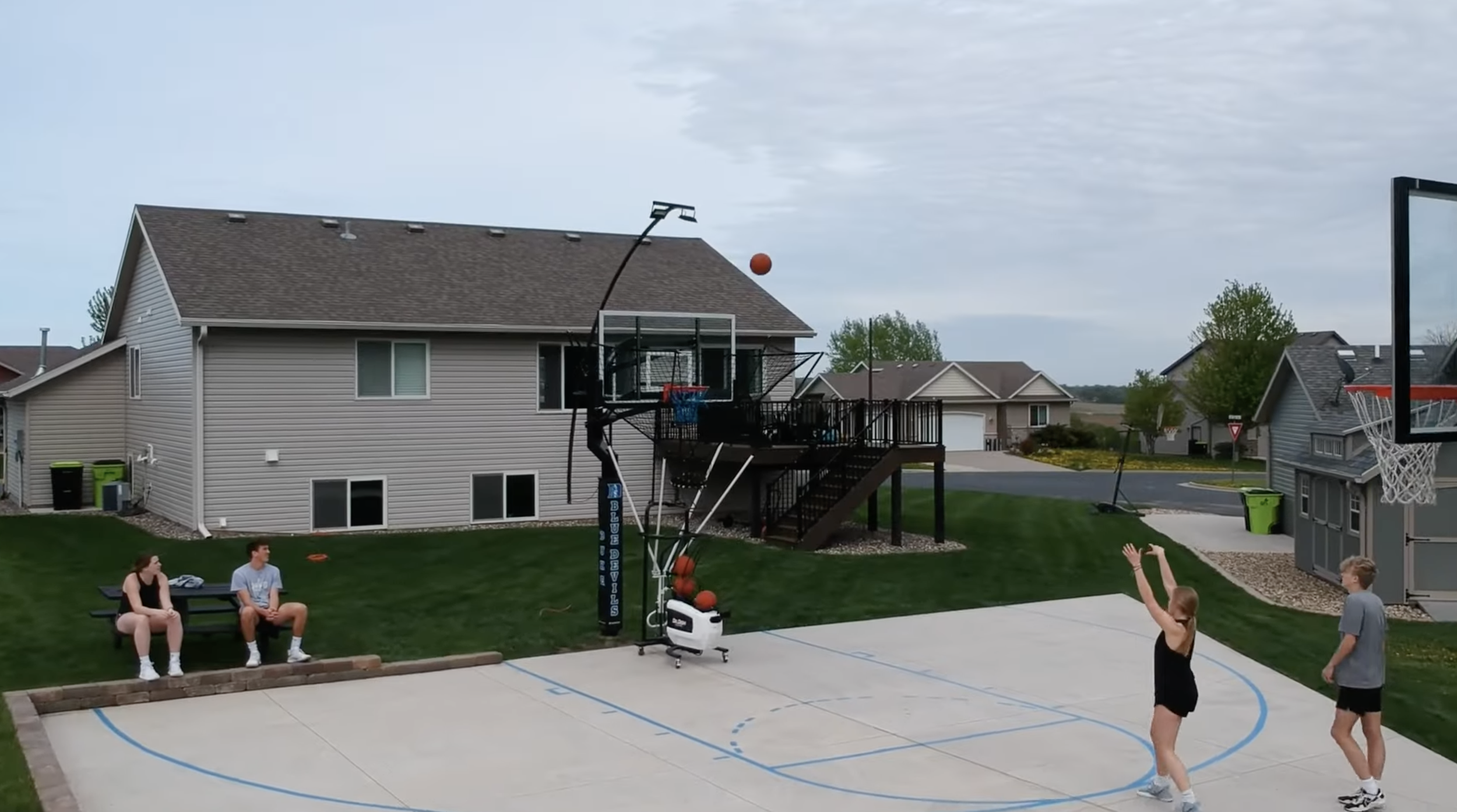
Players getting up shots using Multiplayer Mode at their house.
MY ROLE
I owned this work end-to-end, including:
Recruiting participants and scheduling sessions
Running and recording field studies
Tagging, synthesizing, and presenting insights
Defining feature direction and prioritization
Writing product requirements
Partnering with design on solutions
Conducting usability testing and iteration
Writing notification copy and logic
Testing with engineering before launch
Creating GTM briefs for Sales and Marketing
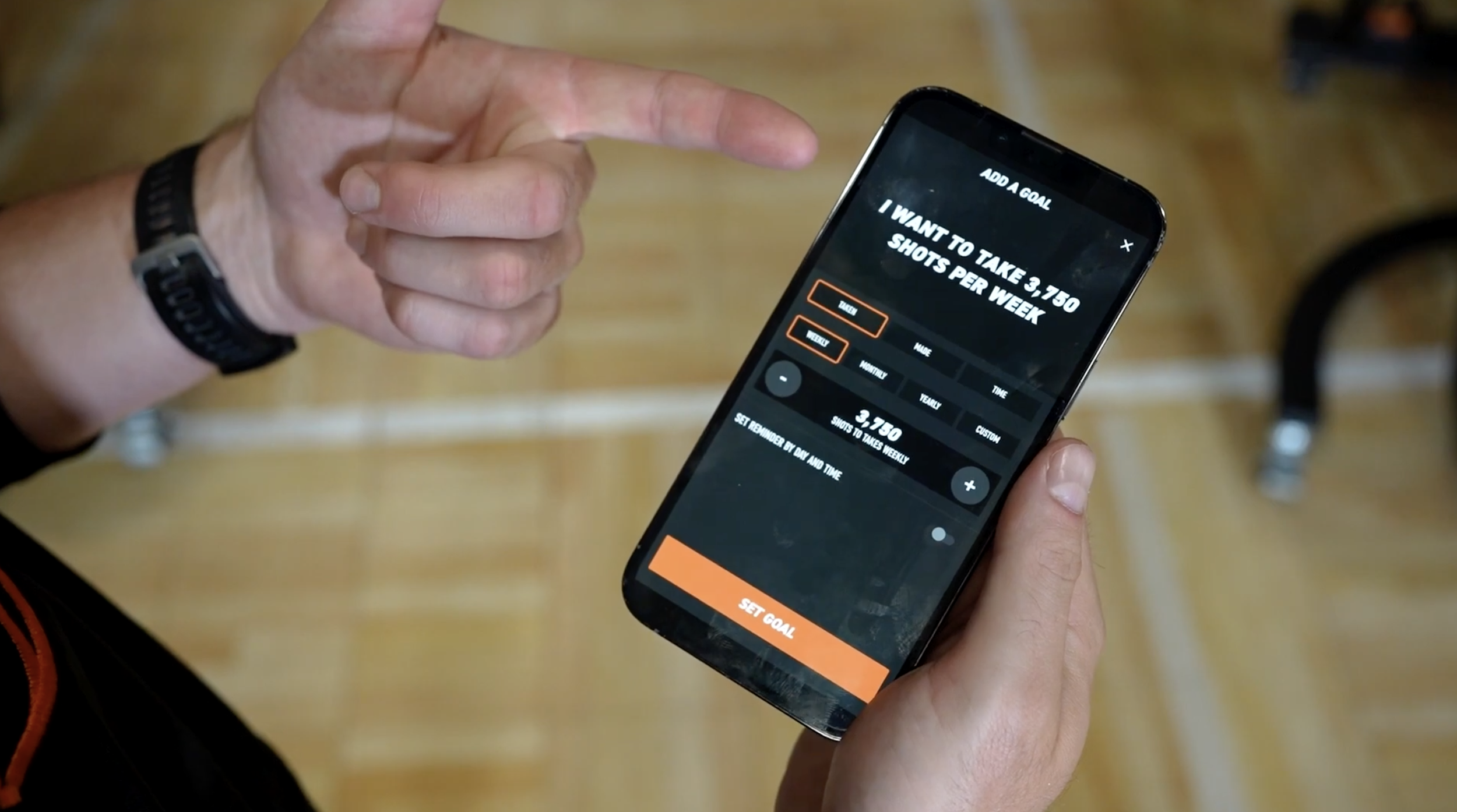
Player setting a goal in the app to track how many shots they want to take each week.
WHY I’M SHOWING THIS WORK
This case study shows how I use real-world behavior to drive product decisions instead of assumptions. I start with messy, contextual research, synthesize it into clear opportunities, and turn that into features with measurable impact.
It highlights that I:
Lead with user needs, not internal guesses
Turn qualitative research into a product strategy
Make focused, high-impact bets with small teams
Balance discovery, delivery, and adoption
Partner across product, design, engineering, sales, and marketing
Details have been intentionally generalized or modified to respect confidentiality and intellectual property agreements. This case study focuses on my role, process, and decision-making rather than proprietary implementation details.